



The Snapshot
How a paid media strategy for events turned awareness into momentum, momentum into urgency, and urgency into measurable business outcomes
Startup Grind Conference is one of the leading global events for founders, investors, startups, operators, and ecosystem builders. For the 2026 edition, the challenge was not simply to promote an event. The objective was more commercially specific: build a paid media system capable of selling tickets across multiple pricing phases, generating exhibitor demand, warming high-intent audiences, and converting urgency into action as the event date approached.
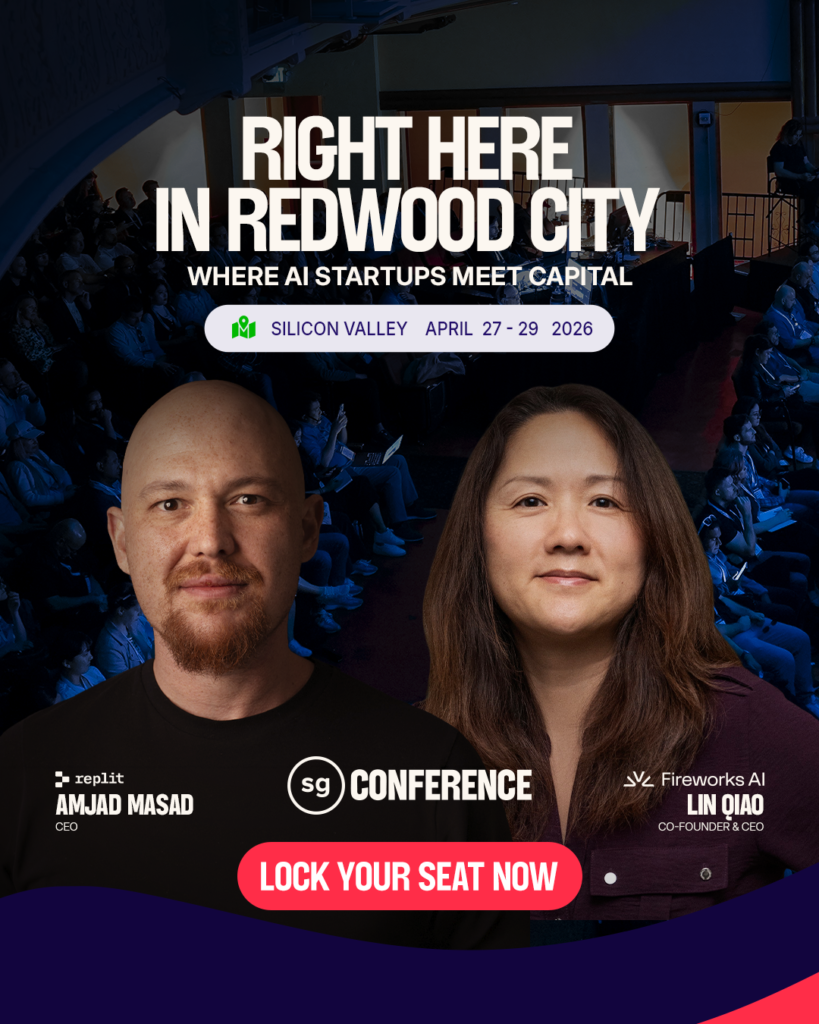
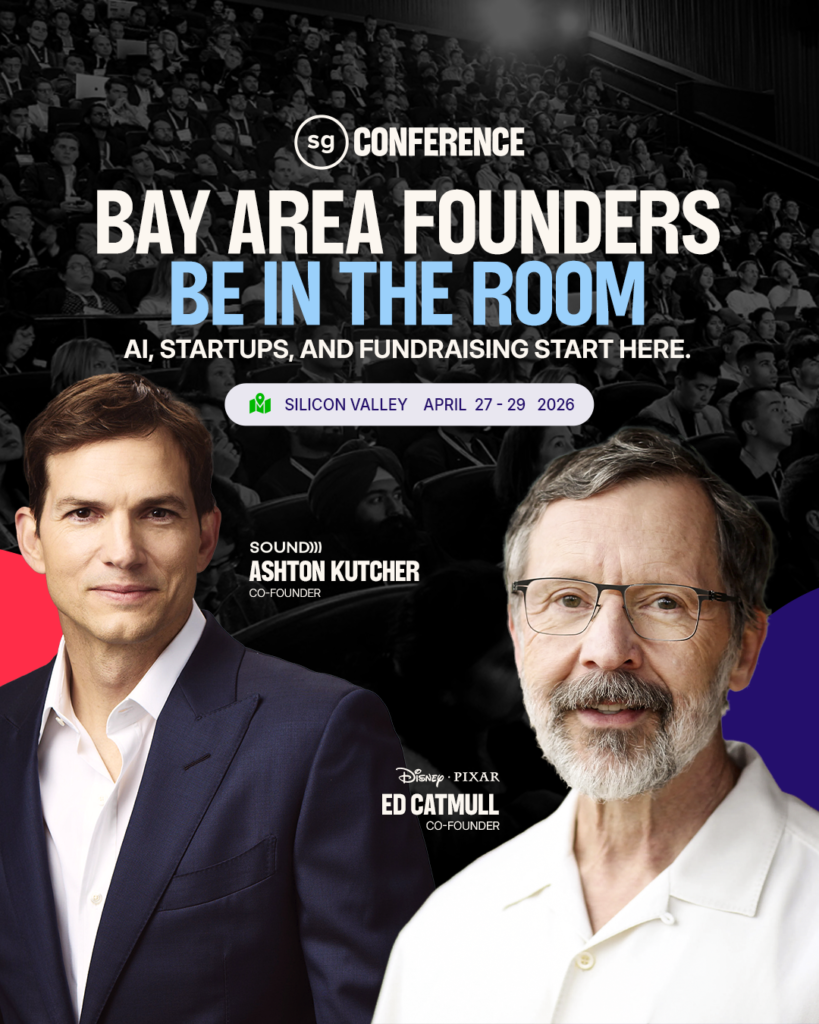
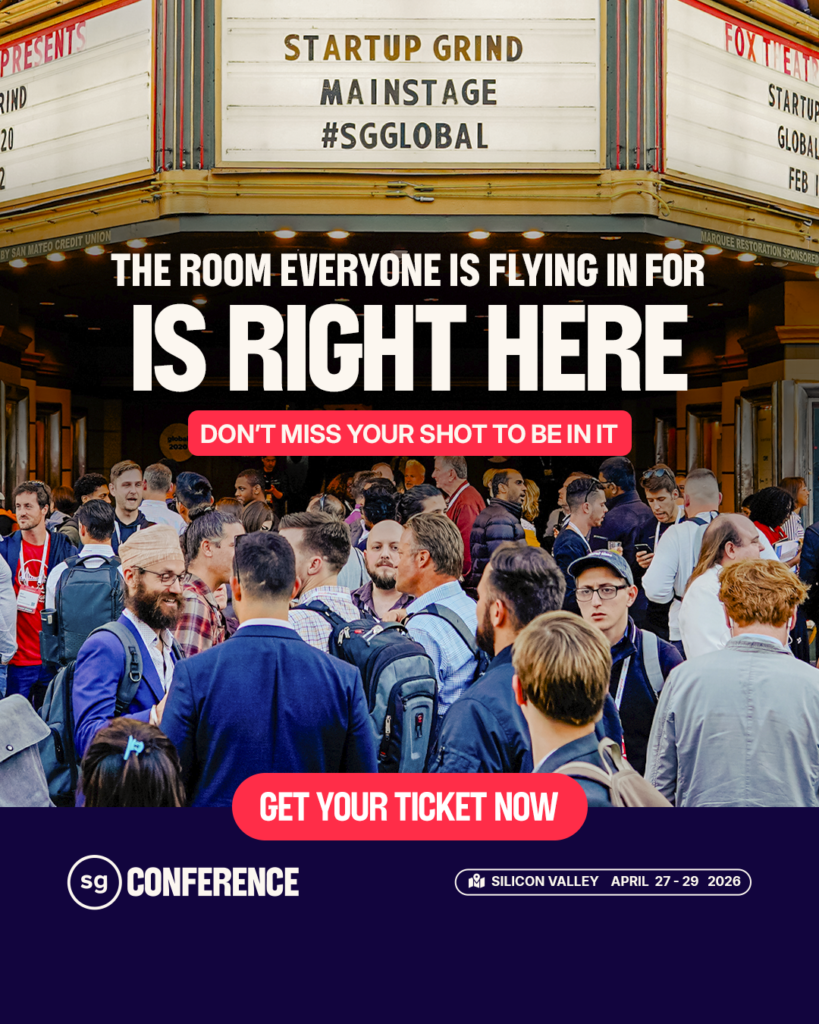
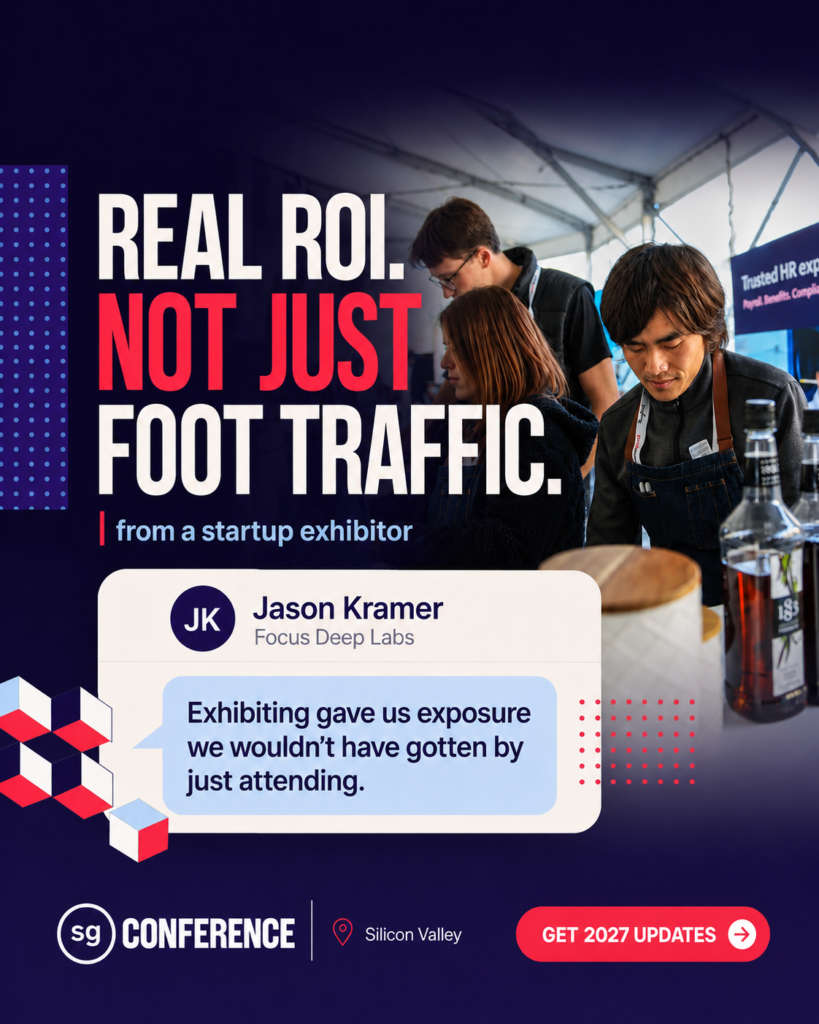
MC Media partnered with Startup Grind to manage a multi-channel paid media strategy across Meta Ads, Google Ads, LinkedIn Ads, YouTube, and exhibitor acquisition campaigns. The campaign ran from October 2025 to April 2026 and was built around two core business outcomes: driving ticket sales across Early Bird, Regular Price, and Final Price phases, and generating qualified exhibitor interest through paid media lead generation.
But the story of the campaign is not only in the final numbers. It is in how demand evolved.
Over the course of the campaign, paid media generated more than 3 million impressions across channels. Those impressions repeatedly placed Startup Grind Conference in front of founders, operators, investors, and startup teams. For a conference, this matters because tickets are rarely purchased after a single ad exposure. Repeated visibility built familiarity. By the time urgency arrived, much of the audience already knew the event, understood its value, and had seen it multiple times.
The campaign also generated more than 35,000 clicks into the event ecosystem. People visited the website, explored ticket options, watched videos, checked speakers, and returned later. Some users clicked in October and purchased months later. Others discovered the event during the Early Bird phase and only acted when deadlines became real. Those clicks became the foundation of remarketing audiences that later supported the strongest performance.
Exhibitor acquisition was another important part of the campaign. Paid media generated more than 100 exhibitor inquiries, but the most interesting insight was not the lead volume alone. It was what happened after simplifying the lead capture process. Once friction was reduced through native forms, exhibitor demand accelerated. The easier it became to express interest, the more conversations the campaign generated.
The campaign ultimately generated more than 400 validated ticket purchases. These purchases did not happen evenly throughout the campaign. They followed a clear pattern: sales accelerated as audiences matured, remarketing pools expanded, and deadlines approached. The strongest performance came when people no longer needed to be convinced that Startup Grind mattered. They simply needed a reason to act now.
That became the central lesson of the campaign. High-performing event advertising is not flat. It does not behave like ecommerce, SaaS, or always-on lead generation. Event marketing follows a different rhythm.
For Startup Grind Conference 2026, performance improved as four forces started working together: audience maturity, retargeting data, event proximity, and deadline urgency. The campaign became strongest when the paid media system shifted from creating awareness to capturing demand from people who already understood why they needed to be in the room.
About Startup Grind Conference
Startup Grind is a global startup community that connects founders, operators, investors, and ecosystem leaders around entrepreneurship, innovation, and startup growth.
Startup Grind Conference brings that community together through a high-value in-person event experience focused on networking, founder education, investor access, startup trends, and business-building opportunities. This was not a campaign for a generic consumer audience. It needed to speak to founders, startup teams, investors, operators, ecosystem leaders, exhibitors, startup service providers, and technology professionals.
That distinction matters because selling tickets to a business event requires a different strategy than promoting a lifestyle event, entertainment experience, or local activation. For many potential attendees, the decision to buy a ticket is tied directly to business value.
Potential attendees were not only asking whether the event looked interesting. They were asking whether it could help them raise capital, meet the right people, access relevant conversations, justify the cost to their team, and decide whether now was the right moment to buy. The paid media strategy had to answer those questions progressively across the full campaign season.
Services provided
Meta Ads
Google Ads
LinkedIn Ads
Ticket Sales
The Challenge: Turning Event Interest Into Measurable Ticket Revenue
Startup Grind Conference already had strong brand equity within the startup ecosystem. However, brand recognition alone does not automatically translate into predictable ticket sales.
The main challenge was to transform awareness into measurable action across a long event sales cycle. The campaign had to support multiple pricing phases, and each phase required a different message, budget logic, and urgency level. Early Bird, Regular Price, and Final Price could not be treated as the same buyer moment.
The campaign also had to support two different commercial goals at the same time: ticket sales and exhibitor acquisition. These goals were connected, but they were not identical. Ticket buyers needed to understand the value of attending. Exhibitors needed to understand the value of reaching the Startup Grind audience.
The media mix also needed clear channel roles. Meta, Google, LinkedIn, and YouTube could not all be evaluated with the same expectations. Some channels were designed to generate direct conversions. Others were better suited for intent capture, awareness, professional credibility, or remarketing support.
Creative fatigue was another challenge. A long event campaign cannot rely on the same visuals, headlines, and angles for months. The audience needed fresh reasons to pay attention as the event moved closer.
Finally, the campaign needed a more sophisticated way to interpret performance. Early months were never expected to behave like the final deadline window. The objective was not simply to buy traffic. The objective was to build a deadline-driven revenue system.
Building a Deadline-Driven Revenue System
Most event campaigns are planned like media calendars. We approached Startup Grind Conference 2026 differently.
Instead of treating each month as an isolated performance period, the campaign was structured around the natural psychology of event purchasing. Early in the campaign, users needed context. They needed to understand the event, the value proposition, the audience, and the opportunity. During this stage, the role of paid media was not only to generate immediate purchases. It was to build signals, test creative angles, collect data, and grow retargeting pools.
In the middle phase, demand became more concrete. The audience had seen the event multiple times. Pricing changes created stronger reasons to act. Social proof became more persuasive, and remarketing became more efficient because the audience was warmer.
In the final phase, urgency became the strongest lever. Users were no longer evaluating the event in abstract terms. They were deciding whether to attend or miss the opportunity. This is where the campaign shifted from general promotion into high-intent demand capture.
The strategic foundation was simple: build demand early and capture demand late. Early months should not be judged only by immediate CPA, and the final window should not be underfunded when buyer intent is at its highest.
The Paid Media Strategy
The paid media strategy was built across three core channels: Meta Ads, Google Ads, and LinkedIn Ads. Each channel had a different role inside the event marketing funnel.
Meta Ads: The Main Conversion Engine
Meta became the campaign’s momentum engine. It supported prospecting, remarketing, website traffic, video views, ticket purchase campaigns, native lead forms for exhibitors, and final deadline campaigns.
Meta worked because event buyers responded strongly to visual social proof. Conference imagery, crowd energy, direct headlines, and urgency-led creative performed especially well. As remarketing pools matured and deadlines approached, Meta evolved from an awareness channel into a conversion channel.
Google Ads: Intent Capture and Support
Google’s role was different. Its strongest potential was intent capture. Users searching for startup events, founder conferences, and Startup Grind-related terms were already closer to action than cold social audiences.
Google supported the campaign through branded search, non-branded search, Performance Max, YouTube awareness, and exhibitor lead generation support. The lesson was clear: for events, Google works best as an intent layer that captures existing demand and supports the broader paid media ecosystem.
LinkedIn Ads: B2B Visibility and Audience Qualification
LinkedIn reached the right professional clusters, including founders, operators, consultants, technology audiences, and small-company teams. However, LinkedIn was not the strongest direct-response channel for ticket sales.
Its value was more strategic. LinkedIn helped with B2B visibility, investor positioning, professional credibility, exhibitor audience development, and high-value retargeting support. For business events, LinkedIn works best when the offer matches the platform context.
Campaign Execution by Funnel Stage
The campaign was executed across three major phases: Early Bird, Regular Price, and Final Price. Each phase had a different job inside the event sales cycle.
Phase 1: Early Bird — Building the Foundation
The Early Bird phase was the longest period of the campaign. This was where awareness was built, audiences were tested, and remarketing pools started forming.
Performance was naturally more modest during this stage because the event still felt far away. But this phase created the conditions for later efficiency. Without the early traffic, engagement, and audience building, the final push would have had far less momentum.
The Regular Price phase became the first major acceleration point. One important signal emerged: demand continued growing even after prices increased.
Phase 2: Regular Price — Demand Acceleration
This showed that people were not buying simply because tickets were cheaper. The perceived value of attending was increasing as the event became more real. Founder outcomes, investor access, AI themes, and deadline messaging started carrying more weight. The market was warming.
Phase 3: Final Price — Deadline-Driven Conversion
The Final Price phase became the strongest commercial window. Remarketing pools were warmer, the event felt immediate, deadlines became real, and social proof became more powerful.
At this point, the decision window compressed. The campaign stopped behaving like general event promotion and started behaving like a high-intent conversion system.
This is one of the most important lessons for event organizers: the final weeks before an event should not be treated as an afterthought. They are often the highest-intent revenue window.
Timeline
The campaign followed a clear event-sales curve. At launch, sales were modest because the campaign was still collecting data and activating audiences. As the event moved closer, performance improved. Ticket sales accelerated during the Regular Price phase and surged during the final deadline window.
This matters because event performance does not scale linearly. Intent compounds. Someone may see the event in October, click in December, revisit in February, compare ticket options in March, and finally purchase in April.
That is why event campaigns need a full-funnel media system. The campaign also showed an important pattern: acquisition costs were highest when audiences were cold. As the event approached, efficiency improved while ticket volume increased.
The lesson is simple: early spend creates the audience, and late spend captures the demand.
Creative Strategy & Learnings
Creative became one of the most important performance levers in the campaign. Over the course of the campaign, numerous creative variations were tested across static images, videos, Reels, and carousel formats.
The strongest learning was clear: static image ads dominated the top-performing set because they communicated value faster. A strong static ad could show a packed room, a bold headline, a clear deadline, a founder outcome, and a direct call to action in a single moment.
The best-performing creatives were specific. They focused on investor access, funding opportunities, AI and startup trends, founder outcomes, crowd-scale social proof, deadline urgency, and the feeling of needing to be in the room.
The strongest visuals showed real event energy. The underlying emotion was not simply excitement. It was professional FOMO. For founders, the fear is not missing another event. The fear is missing the room where competitors, investors, partners, and future opportunities are gathering.
That insight shaped the strongest creative direction.
Exhibitor Acquisition System
Ticket sales were only one side of the campaign. Startup Grind also needed exhibitor interest.
The campaign generated more than 100 exhibitor inquiries through paid media, but the story was not the number alone. The story was the turning point. Initially, campaigns generated interest, but too much friction existed in the lead capture process. Once native forms were introduced, lead generation accelerated.
The easier it became for exhibitors to express intent, the better the campaign performed. This became a major takeaway: for exhibitor acquisition, conversion mechanics matter as much as targeting.
When selling exhibitor space, event brands should not force every user into a long website journey. The goal is to reduce friction, capture intent early, and make it easy to start the conversation.
Key Outcomes
The campaign generated more than 3 million impressions, creating repeated exposure and familiarity long before urgency arrived. By the final campaign phase, much of the audience already knew the event and understood its value.
More than 35,000 clicks helped build high-intent audiences through website visits, video engagement, and repeat interactions. These audiences later became one of the campaign’s strongest conversion assets.
The campaign also produced more than 100 exhibitor inquiries, validating demand from potential exhibitors. Simplifying the lead experience transformed interest into conversations and proved that exhibitor acquisition can scale when friction is removed.
Most importantly, more than 400 validated ticket purchases confirmed the model. The purchases themselves mattered, but the bigger insight was the pattern behind them. Demand accelerated as audiences matured and deadlines approached.
The campaign proved that event marketing works best when awareness, retargeting, social proof, and urgency are allowed to work together.
The campaign generated more than 100 exhibitor inquiries through paid media, but the story was not the number alone. The story was the turning point. Initially, campaigns generated interest, but too much friction existed in the lead capture process. Once native forms were introduced, lead generation accelerated.
The Success Box
731 TOTAL LEADS for Masters and PhD programs
€0.45 AVERAGE CPL across 16 international territories
212 LEADS from the high-performing Life Sciences segment alone
137 LEADS from the Policy and Law programs
3.73 AVERAGE FREQUENCY, ensuring UCY stayed top-of-mind
⚡️Ready to turn your event into a revenue system?
If you are planning a conference, summit, trade show, or large-scale event, MC Media can help you build a paid media strategy designed around ticket sales, exhibitor acquisition, and measurable business outcomes.